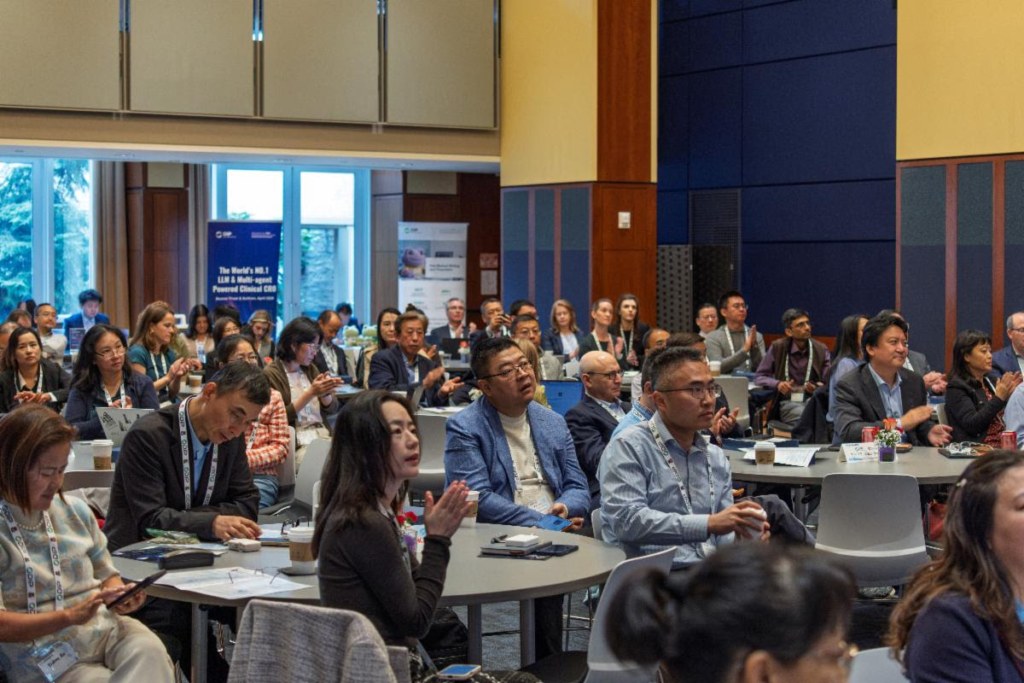
Highlights from the Inaugural @Philly AI in Biopharma Executive Summit
October 16, 2026 | Science History Institute, Philadelphia
On October 16, SAPA-GP convened 120 leaders across biopharma, AI and data, investment, and academia for the inaugural @Philly AI in Biopharma Executive Summit.
The goal was not to ask whether AI will transform biopharma, but to tackle the harder questions:
Where is AI actually delivering value today? Where are the limits? And what will it take to move from promising pilots to measurable scientific, clinical, and business impact?
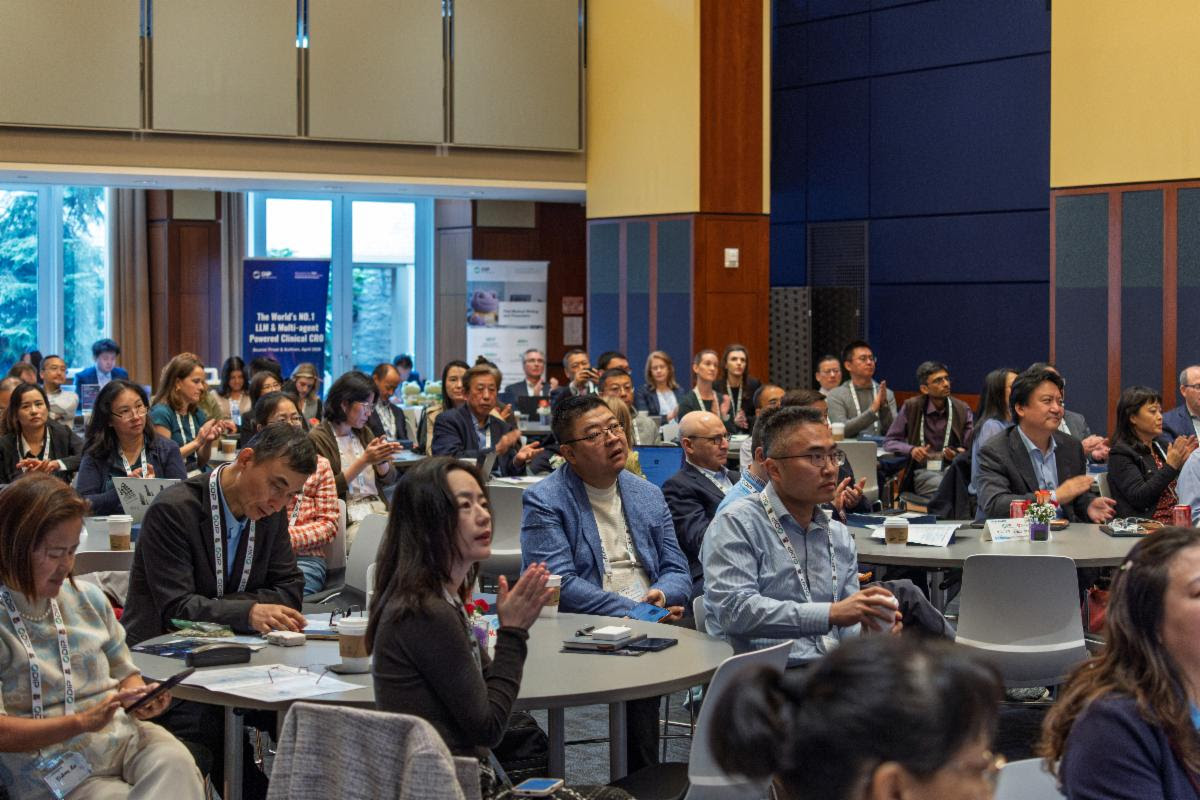
Summit at a Glance
- 120 leaders from industry, technology, investment, and academia
- 3 keynote presentations
- 3 tracks spanning discovery, clinical development, and capital
- 1 lunch seminar
- 1 Song Li Scholarship Student Competition
The closed-door, peer-to-peer format encouraged candid discussion, thoughtful debate, and practical exchange throughout the day.
Perspectives from the Keynote Stage
Three keynote speakers framed the day from complementary perspectives.
Alex Zhavoronkov, Ph.D., Founder & CEO, Insilico Medicine opened with Toward Pharmaceutical Superintelligence, emphasizing that the real opportunity lies not in any single AI model, but in an integrated end-to-end discovery loop.
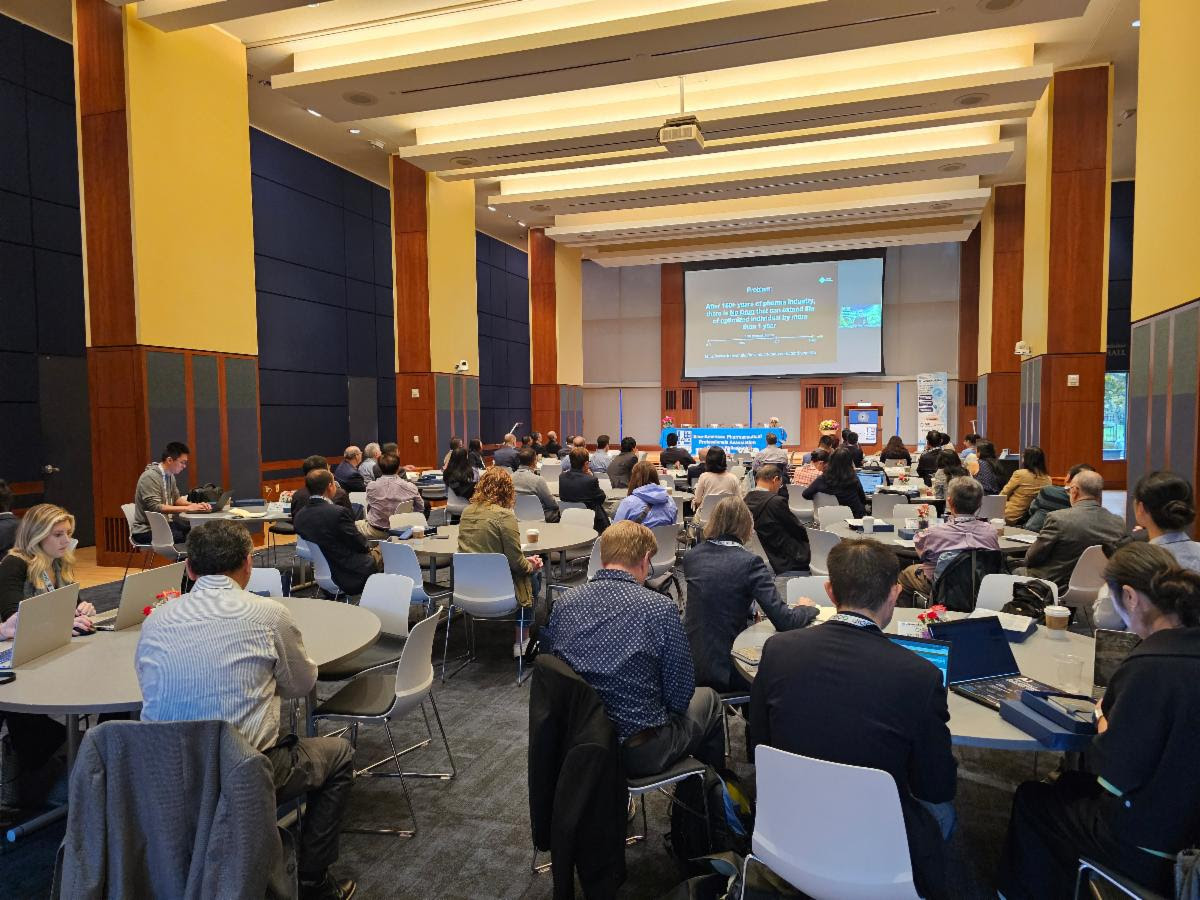
Sean Khozin, M.D., M.P.H., Founder & Principal, Phyusion Bio; CEO Roundtable on Cancer, challenged the audience to distinguish better molecules from better medicines, emphasizing mechanism-based validation and connection to human outcomes.
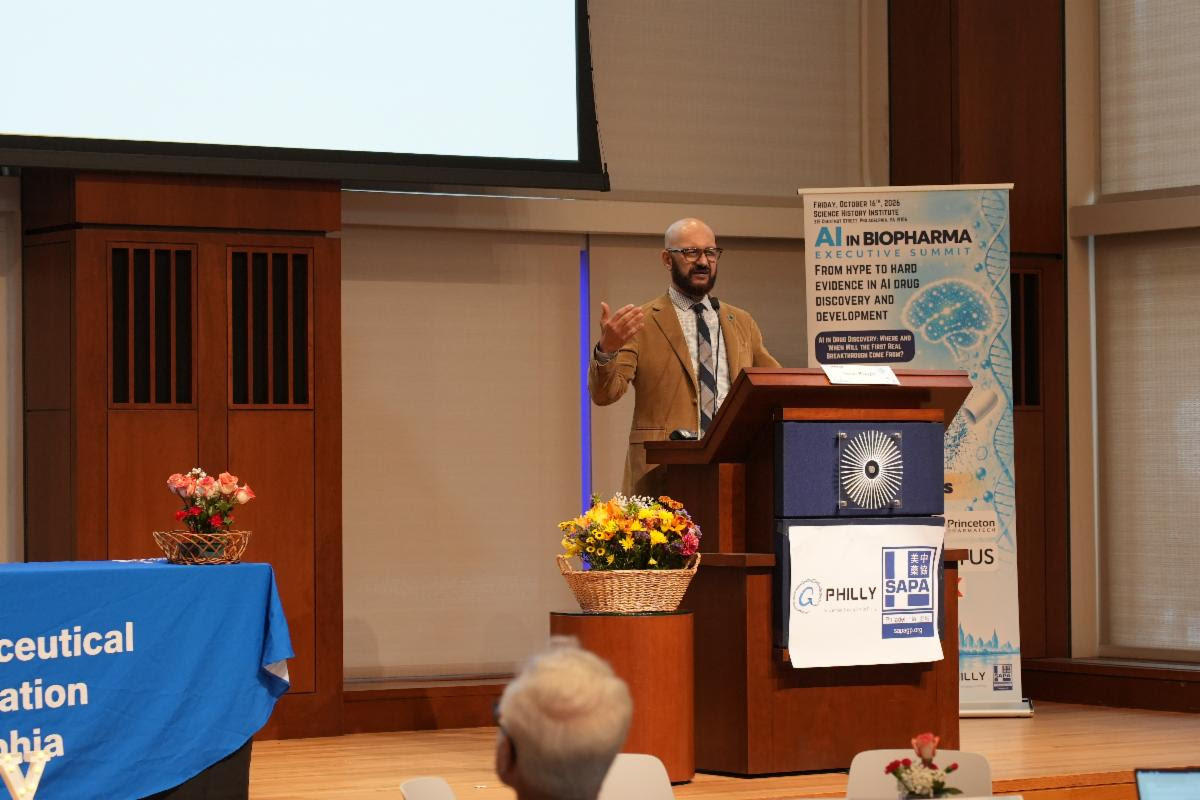
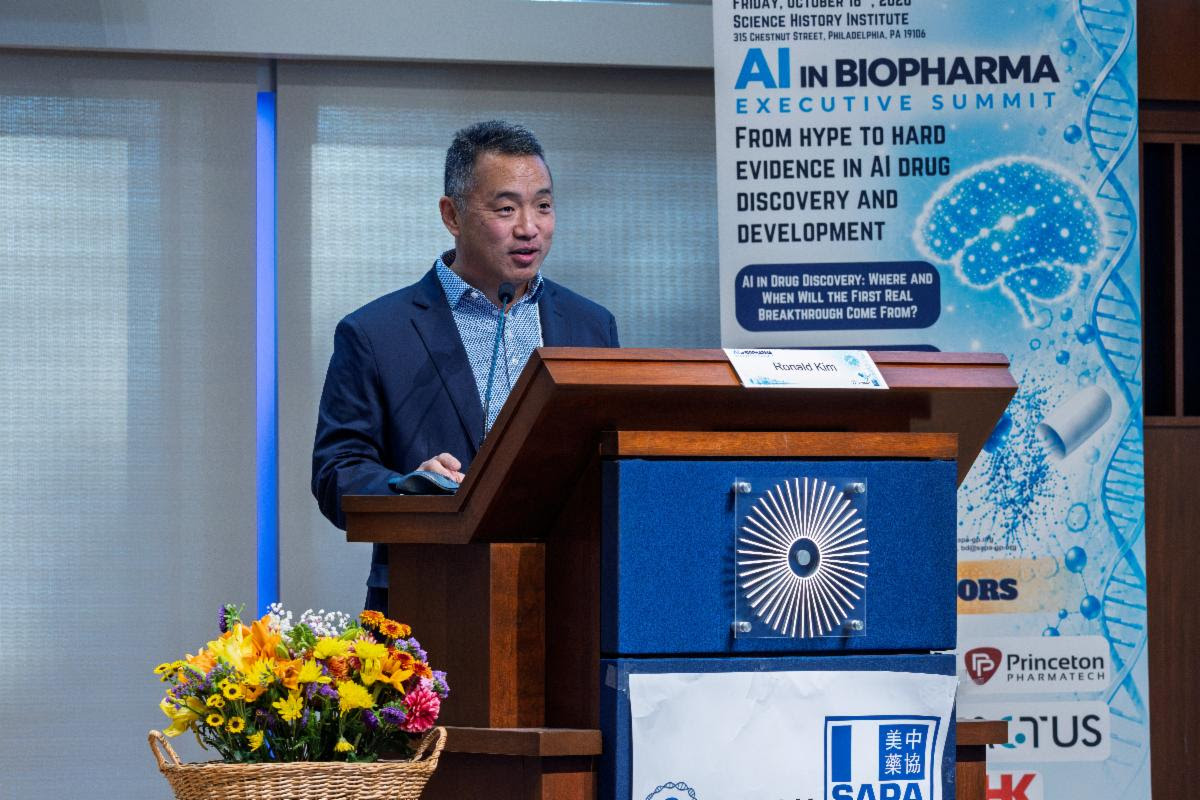
Ronald Y. Kim, M.B.A., Founder, AI & Tech Advisor, Ron Kim Advisory; Former CTO & SVP, Merck & Co., closed with The Emerging AI Tech Landscape in Pharma: Fact vs. Fiction, Fall 2026 Edition, encouraging leaders to define clearly what they mean by “AI” and distinguish genuine transformation from cost reduction.
Five Takeaways from the Day
1 | Biology remains the bottleneck
AI models are advancing rapidly, but biological validation remains slow, costly, noisy, and sparsely sampled. Across discussions, a recurring message was that the next major constraint may not be the algorithm itself, but access to high-quality, mechanism-anchored experimental and human data.
2 | AI needs more than a place in the existing workflow
Adding AI to isolated steps of a linear, stage-gated development process can improve efficiency, but may limit its broader potential. The larger opportunity is to build continuously learning systems that connect target selection, patient stratification, endpoint choice, evidence generation, and outcomes—while maintaining the credibility and validation required to protect patients.
3 | Clinical impact may come from many small wins
In clinical development, AI is already being applied across site selection, eligibility screening, data-quality monitoring, statistical programming, and regulatory documentation. There may be no single transformation point. Instead, value can accumulate across many parts of the development process—especially when improvements shorten the critical path.
4 | ROI needs better measures
Hours saved do not automatically translate into weeks removed from a clinical program. To understand AI’s true value, organizations may need to look beyond task-level productivity and measure outcomes such as cycle time, decision quality, avoided failures, and impact on the development critical path.
5 | Aging is an emerging frontier
Treating aging as a therapeutic target is opening new scientific possibilities, but the evidence framework is still evolving. Regulatory recognition, validation of biological-age measures, clinical endpoints, and longer-term evidence will all be important as the field develops.
From Molecules to Patients—and Capital
The summit’s three tracks explored AI from different points across the biopharma ecosystem.
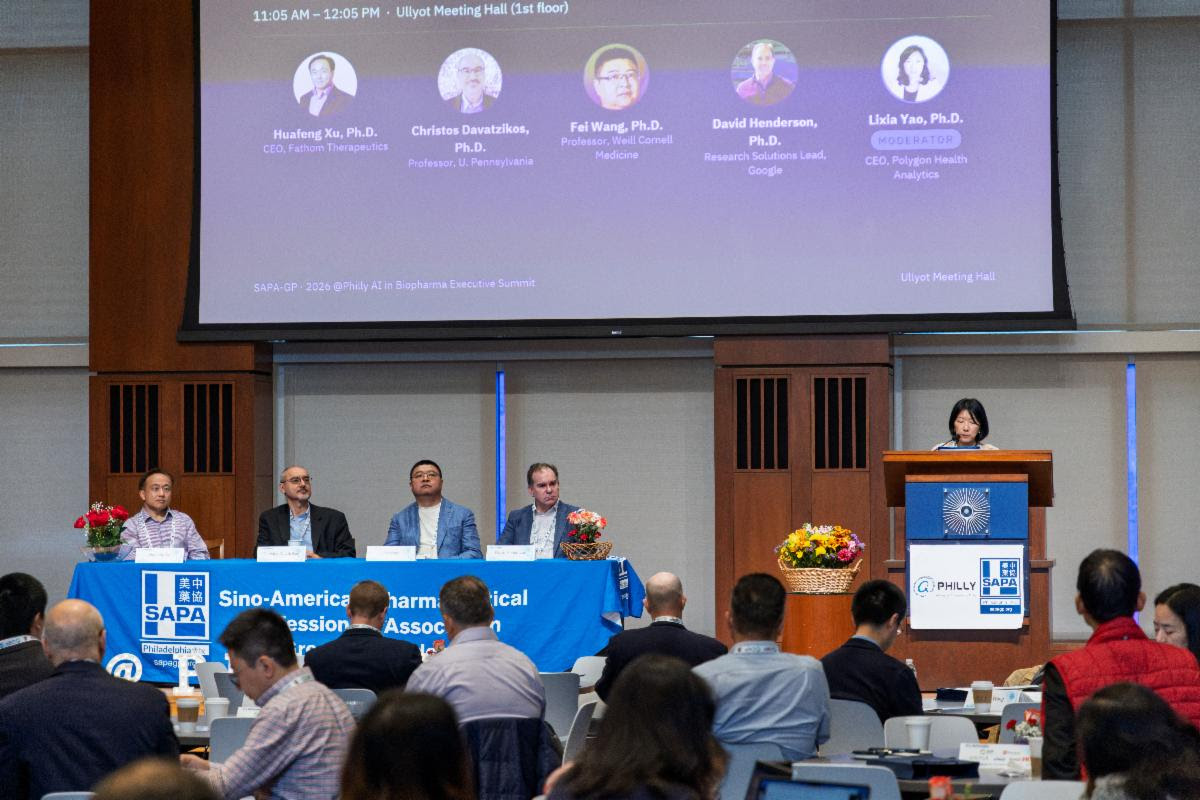
From Molecules to Patients examined applications at the molecular, organ, and population levels—and the challenge of using AI when biology does not provide a clear “answer key.”
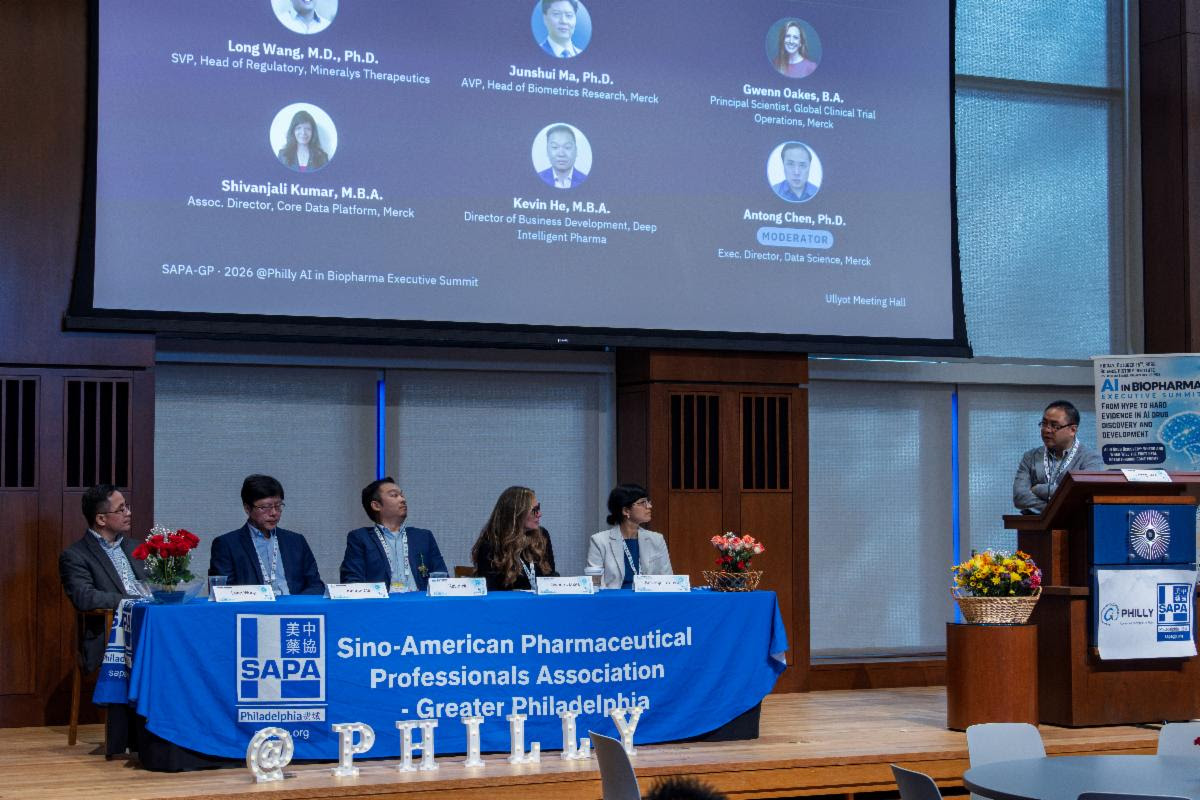
AI in Clinical Development explored AI credibility, digital pathology, clinical trial site selection, and the importance of independent validation when models may share the same underlying data limitations.
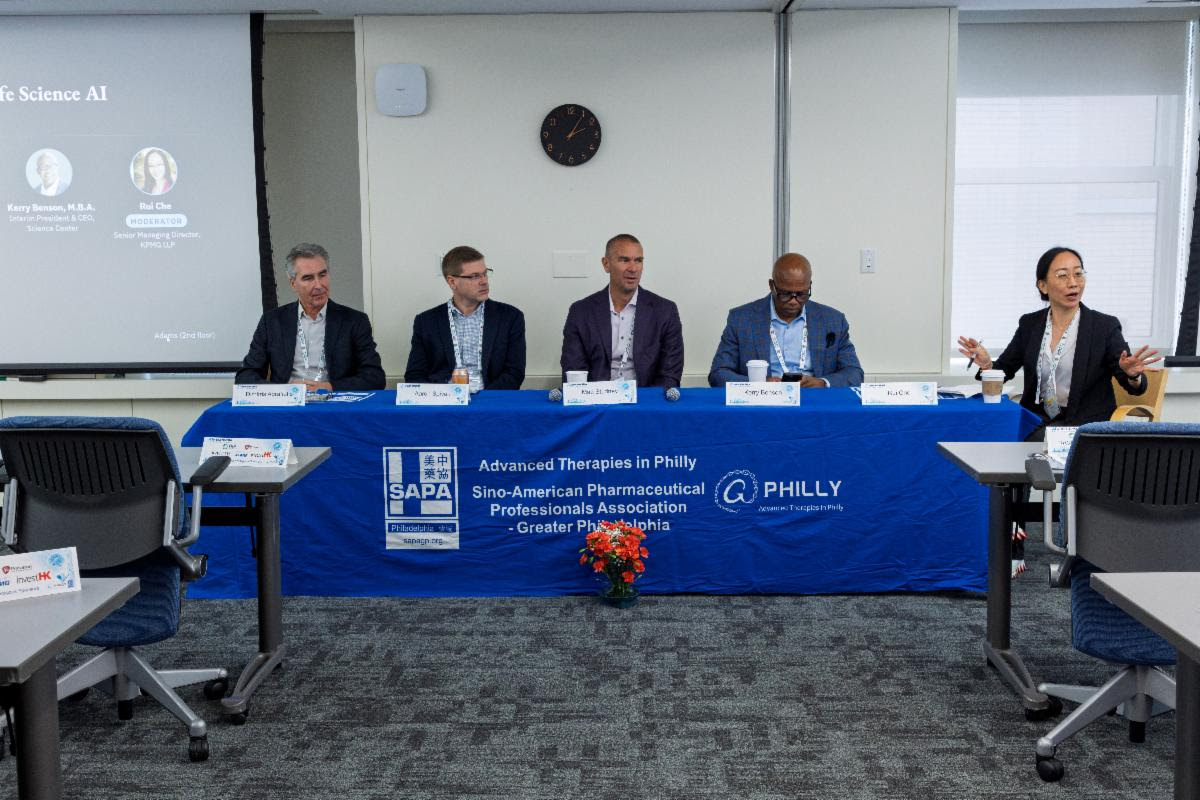
Follow the Money looked at where capital is flowing, which AI-enabled business models are creating value in healthcare, and how organizations can balance pressure for speed with clinical and safety rigor.
A Community Built Around Conversation
The summit was designed to be interactive, and the discussions extended well beyond the formal sessions.
Questions, challenges, and disagreements carried into coffee breaks, lunch, and the evening reception, creating opportunities for leaders across disciplines to exchange perspectives and build new connections.
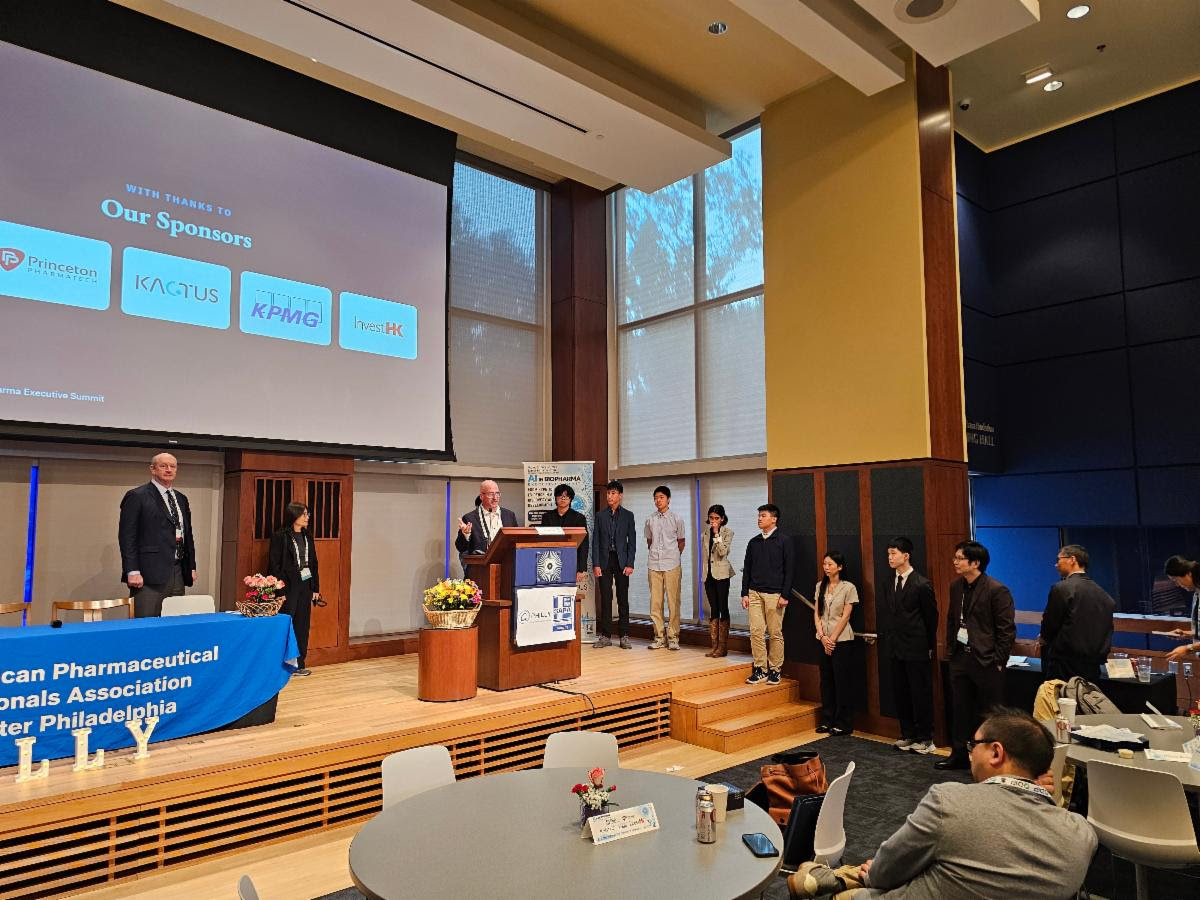
The Song Li Scholarship Student Competition, moderated by Michelle Lu and judged by Dr. David Cole, Dr. Aaron Mackey, and Dr. Evelyn Guo, also brought emerging scientific talent into the conversation with industry leaders.
Thank You
SAPA-GP gratefully acknowledges our sponsors.





We also thank our host, the Science History Institute, and its president, David Cole, for his welcoming remarks.
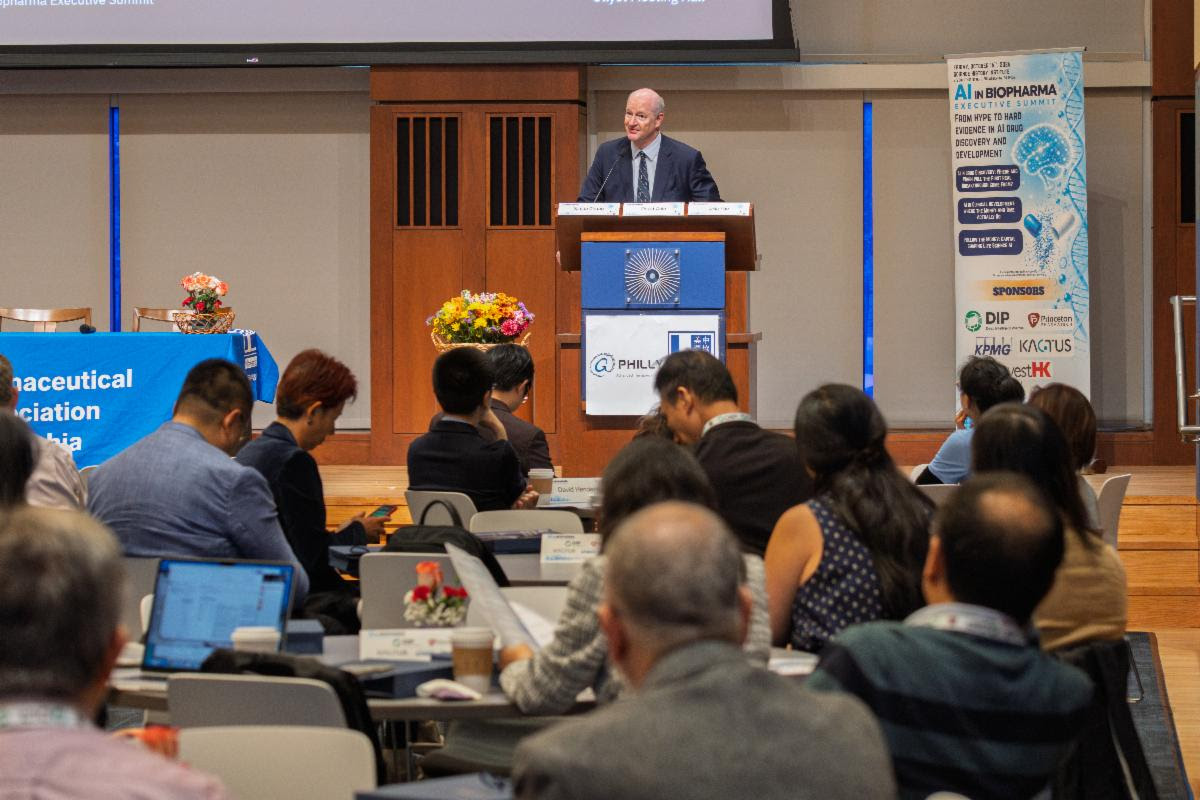
Special thanks to keynote speakers Alex Zhavoronkov, Sean Khozin, and Ron Kim; moderators Prof. Li Shen, Dr. Lixia Yao, Dr. Yali Liang, Dr. Antong Chen, and Rui Che; and all of our speakers and panelists, volunteers, and attendees who helped make the inaugural summit possible.
What’s Next
Continue the conversation with SAPA-GP at our upcoming events:
2027 SAPA-GP 25th Annual Conference
📅 Friday–Saturday, March 12–13, 2027
📍 Sheraton Valley Forge Hotel, 480 North Gulph Rd, King of Prussia, PA
2027 @Philly Healthcare Investment Forum
📅 Sunday, June 6, 2027
📍 Science History Institute, 315 Chestnut Street, Philadelphia, PA
2027 @Philly Cell, Gene, and Advanced Therapies Annual Conference
📅 Friday–Saturday, June 11–12, 2027
📍 Sheraton Valley Forge Hotel, 480 North Gulph Rd, King of Prussia, PA
SAPA-GP also welcomes speakers, sponsors, and volunteers for next year’s AI in Biopharma Executive Summit.
Sponsorship: bd@sapa-gp.org
Volunteering: sapagp@sapa-gp.org